Key Pillars of Action
LILF is based on four main pillars that reflect these values:
1. Inclusive Education and Disability Empowerment: Ensuring education is accessible to all, regardless of ability.
2. Clean Water, Sanitation, and Hygiene Initiatives: Addressing basic needs for health and dignity.
3. Agricultural Projects: Promoting food security.
4. Emergency and Social Support: Providing aid for extreme hardship cases (Disease outbreak, disaster management, malnutrition, etc.)
GUIDED BY OUR THREE-PART THEORY OF CHANGE, WE WILL ACHIEVE OUR GOALS BY WORKING TO IMPROVE:
INCLUSIVE EDUCATION & LITERACY TRANSFORMATION
- Global Learning Center
- Charles D. Lamadine Literary Enterprise
- Increased enrollment and retention of marginalized learners
- Improved literacy and numeracy outcomes
- Greater community acceptance of inclusive education
- The Christmas Child gift project
Long-term impact: A literate, skilled, and inclusive generation capable of contributing to Liberia’s social and economic development.
COMMUNITY HEALTH & WELL-BEING IMPROVEMENT
- Nymanpu’s Memorial Women and Children’s Health Center
- Improved health literacy and hygiene practices
- Nutrition improvement through increased access to balanced, safe, and locally available foods.
- Reduced absenteeism in schools due to illness
- Increased uptake of preventive health services
Long-term impact: Healthier communities that can fully participate in growth, learning, livelihoods, and sustainable community development.
SUSTAINABLE AGRICULTURE & ECONOMIC EMPOWERMENT
- Food Security
- Increased agricultural productivity
- Improved household income and food security
- Enhanced financial literacy and savings practices
Long-term impact: Economically empowered families who can sustain education, access health services, and break cycles of poverty.
LIFE Health Initiative
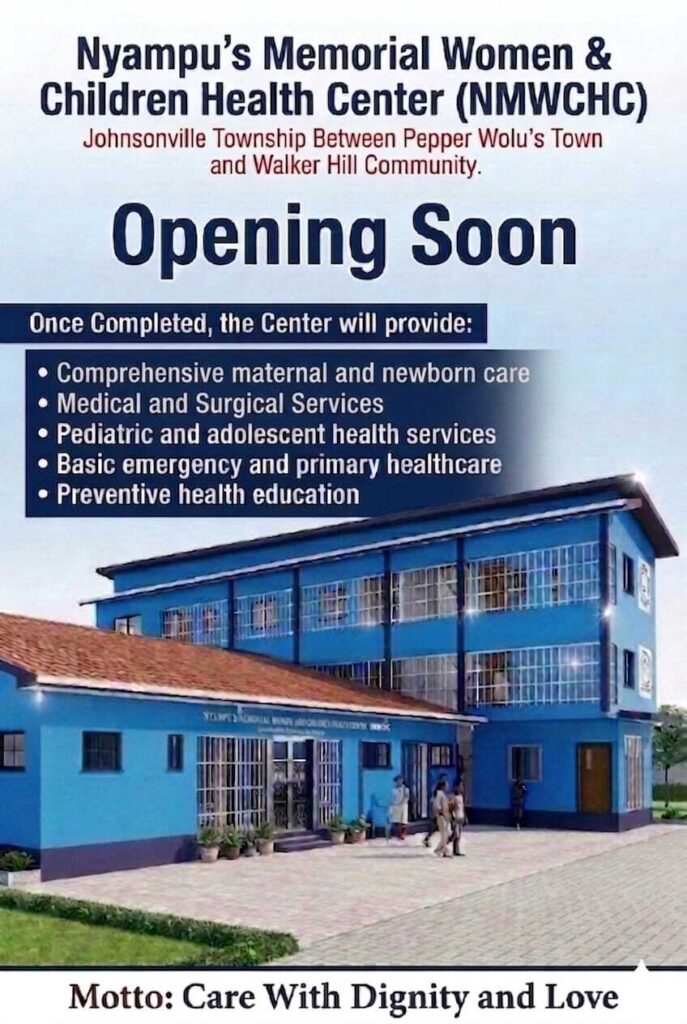
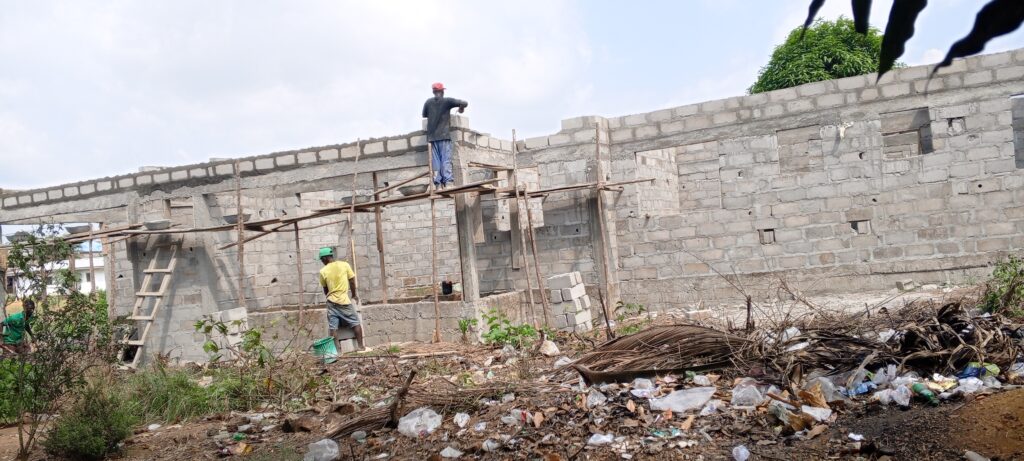
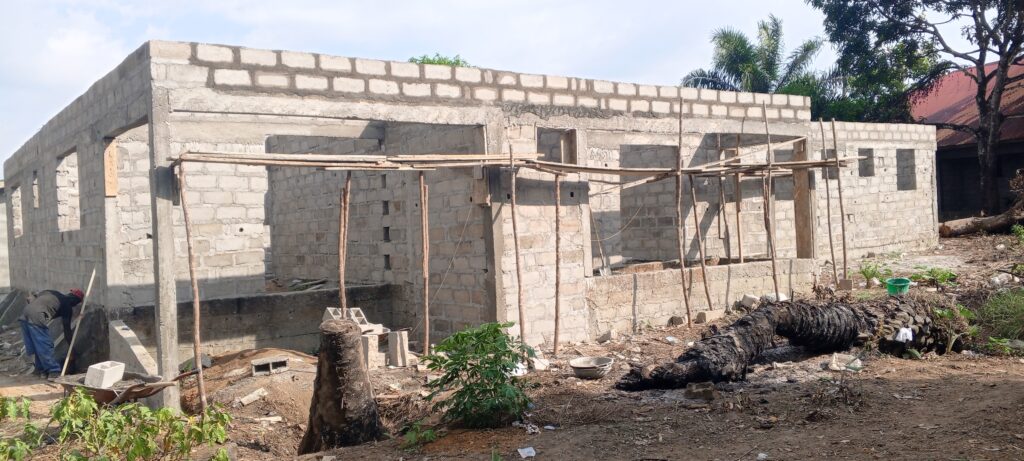
Construction and Operationalization of a 30-Bed Women and Children Health Center
Location: Johnsonville Township, Liberia
Implementing Partners:
- Liberia Inclusion and Literacy Foundation (LILF)
- Nyampu’s Memorial Women and Children Health Center (NMWCHC)
Overview
The LIFE Health Initiative is a flagship project aimed at improving access to quality, inclusive, and affordable healthcare services for vulnerable populations in Johnsonville Township and surrounding communities. The project focuses on the construction and operationalization of a modern 30-bed healthcare facility designed to serve women, children, and persons living with disabilities.
Background
Access to essential healthcare services remains a major challenge in many parts of Liberia. Communities in and around Johnsonville Township face limited access to maternal and child health services, preventive care, and disability-inclusive healthcare.
High maternal and child morbidity and mortality rates, inadequate infrastructure, and limited health education continue to affect health outcomes. Persons living with disabilities are particularly underserved due to accessibility barriers and lack of inclusive services.
The LIFE Health Initiative responds to these gaps by establishing a comprehensive, community-centered health facility.
Goal
To improve access to quality, inclusive, and affordable healthcare services for vulnerable populations.
Objectives
- Construct and equip a fully functional 30-bed health facility within 12–18 months
- Provide comprehensive maternal, newborn, and child health services
- Deliver inclusive healthcare services for persons living with disabilities
- Strengthen community-based health promotion, disease prevention, and nutrition services
- Improve referral systems and linkages with higher-level health facilities
Community Engagement
- Health awareness campaigns
- Outreach to hard-to-reach communities
- Collaboration with local leaders and health structures
- Promotion of inclusive health-seeking behaviors
Conclusion
The LIFE Health Initiative is a strategic investment in strengthening healthcare delivery in Liberia. By prioritizing vulnerable populations and promoting inclusive, high-quality services, the project will contribute to improved health outcomes and long-term community well-being.
WEE Food Security Initiative
Project Period: October 2025 – March 2027
Location: Greater Monrovia, Liberia
Implementing Organization:
- Liberia Inclusion and Literacy Foundation (LILF)
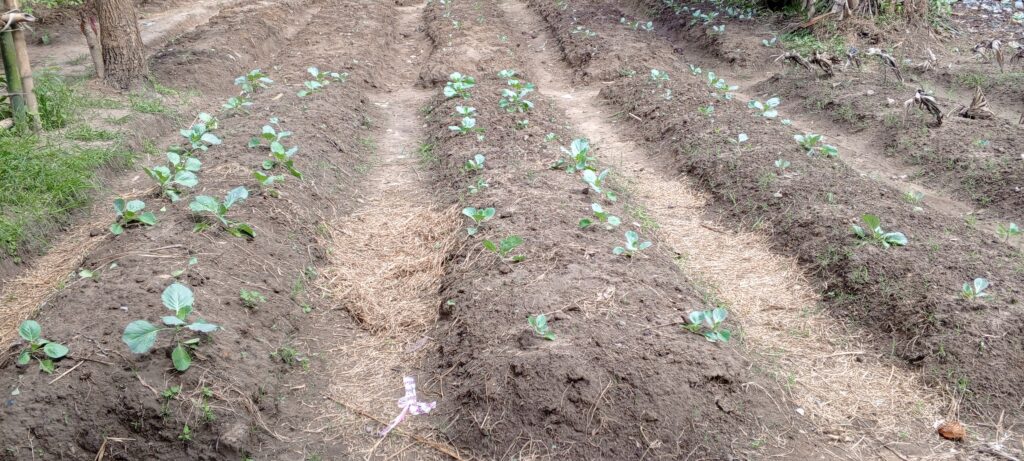
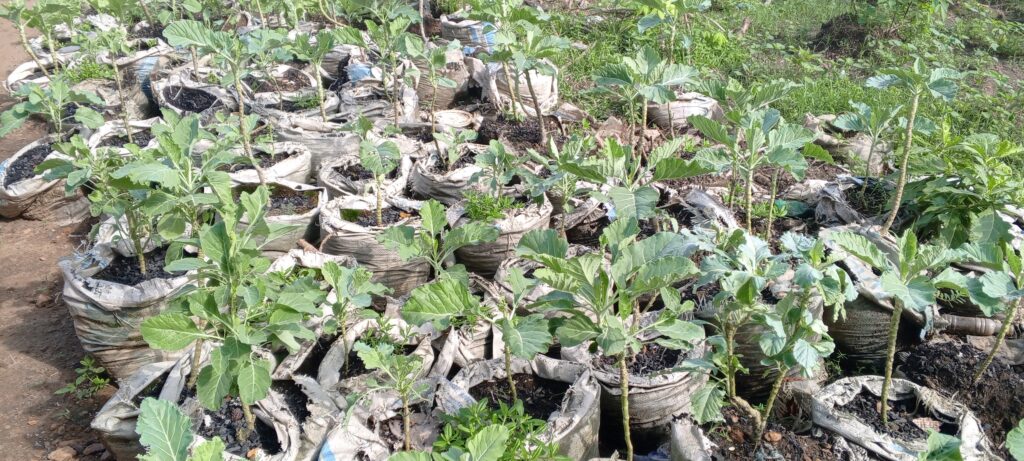
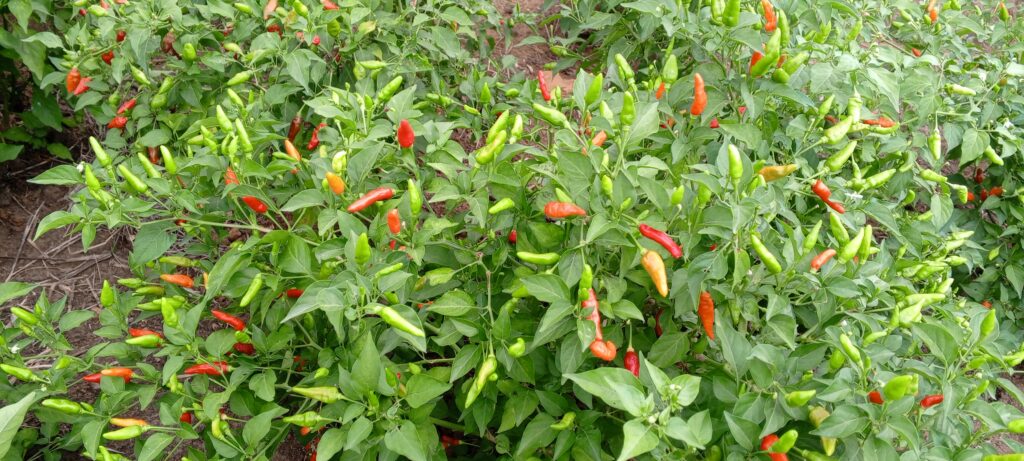
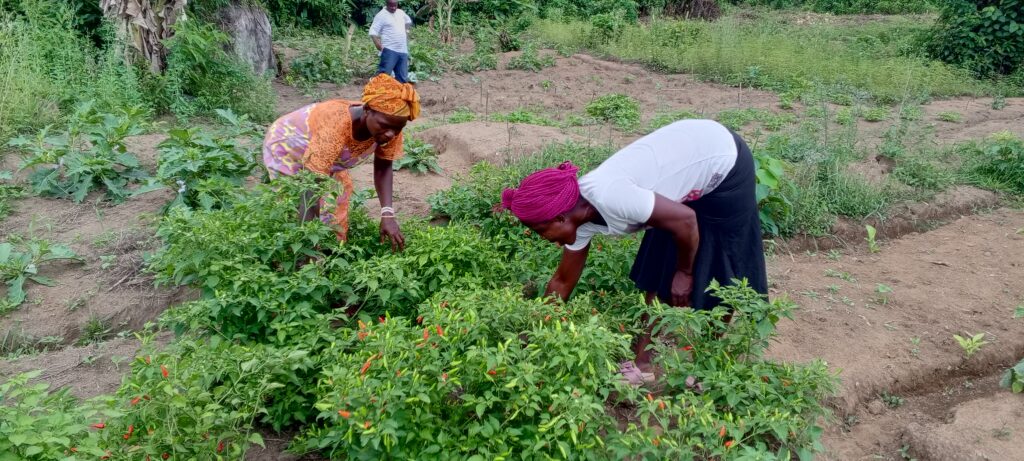
LILF Women Economic Empowerment (WEE) and Food Security Initiative is a community-driven project designed to strengthen food security, nutrition, and economic resilience among vulnerable women, youth, and households in Greater Monrovia. Using a cost-efficient and locally driven approach, the initiative leverages community volunteers, partnerships with local institutions, and low-cost agricultural practices to deliver sustainable impact with limited resources.
Background
Many households in Greater Monrovia face ongoing challenges related to food insecurity, poor nutrition, and limited livelihood opportunities—especially among women and youth. This initiative aligns with Liberia’s national priorities in agriculture, nutrition, and women’s empowerment by promoting practical, affordable, and sustainable solutions. Through community ownership and the use of local resources, the project aims to build long-term resilience and improve household well-being.
Goal
To improve food security, nutrition, and community resilience among vulnerable populations, particularly women and youth.
Objectives
- Strengthen agricultural skills and productivity among women farmers and youth
- Improve household nutrition practices and dietary diversity
- Promote climate-smart, low-cost backyard and container gardening
- Support youth engagement in agriculture as a pathway to economic empowerment
The WEE Food Security Initiative reflects LILF’s commitment to delivering practical, high-impact solutions to food insecurity and economic vulnerability. By empowering women and youth and promoting sustainable agriculture, the project contributes to healthier communities and stronger livelihoods across Greater Monrovia.
LILF Deaf and Hard of Hearing Project Work Plan
Organization: Liberia Inclusion and Literacy Foundation (LILF)
Position: Deaf and Hard of Hearing Coordinator
Background and Rationale
Persons who are Deaf and Hard of Hearing (DHH) in Liberia continue to face significant barriers in communication, access to information, health education, social inclusion, and meaningful participation in community life. Adolescents and young persons with disabilities are particularly vulnerable to poor health outcomes due to limited access to age-appropriate and accessible information on personal hygiene, menstrual hygiene, nutrition, and sexual and reproductive health. The Liberia Inclusion and Literacy Foundation (LILF) is committed to promoting inclusion, empowerment, and visibility of the Deaf community through practical, community-based interventions. This six-month work plan outlines key activities focusing on inclusive sports, sign language capacity building, media engagement, and school-based health education. The plan includes the distribution of essential non-food items such as sanitary pads and hygiene materials, alongside health and nutrition education for Deaf and hearing students. The program will target four (4) schools, reaching students aged 12–23 years, with an estimated 50 students per school.
Overall Goal
To promote inclusion, empowerment, health awareness, and effective communication between Deaf and hearing communities through sports, capacity building, media engagement, and accessible health education.
Specific Objectives
- To promote social inclusion, teamwork, and mutual understanding between Deaf and hearing youth through inclusive sports festivals.
- To strengthen LILF’s internal capacity through basic sign language training for staff and volunteers.
- To amplify the voices of Deaf children and adults through a dedicated radio talk show on health and social issues.
- To improve health knowledge and personal hygiene practices among Deaf and hearing adolescents through school-based education and distribution of hygiene and menstrual health materials.
Planned Activities and Work Plan
Description:
Host inclusive sports festivals bringing together Deaf and hearing teams to compete in friendly games, promoting unity, teamwork, and mutual understanding. Awards will be given in cash and/or kind.
Key Activities:
- Identification and invitation of Deaf and hearing teams
- Coordination with sports facilitators and referees
- Procurement of basic sports materials
- Organization of the award and recognition ceremony
Deaf and hearing youth (male and female)
Activity 2: Sign Language Training for LILF Staff
Description:
Conduct basic sign language training for LILF staff and volunteers to improve communication with Deaf beneficiaries and promote inclusive service delivery.
Key Activities:
- Engagement of a qualified sign language facilitator
- Weekly training sessions held every Saturday
- Development and use of simple learning materials
LILF staff and volunteers
Activity 3: “Deaf and You” Radio Talk Show
Description:
A weekly or bi-weekly radio talk show focusing on health, education, disability rights, and social inclusion, with emphasis on listening to and amplifying Deaf children’s and youths’ voices.
Key Activities:
- Engagement with a local radio station
- Preparation of discussion topics and guest speakers
- Participation of Deaf speakers with sign language interpretation
General public, Deaf community, caregivers, and stakeholders
Activity 4: School-Based Health, Hygiene, and Nutrition Education
Description:
Conduct inclusive health education sessions in four (4) schools focusing on personal hygiene, menstrual hygiene management (MHM), nutrition education, and sexual and reproductive health (SRH). Distribute sanitary pads and basic hygiene materials to support adolescent health and dignity.
Key Activities:
- Coordination with school administrations
- Health education sessions using accessible and sign-supported communication
- Distribution of sanitary pads and hygiene materials
- Nutrition and SRH awareness sessions
- Deaf and hearing students aged 12–23 years
- 50 students per school (200 total beneficiaries)
INTEGRATED CHANGE PATHWAY
LILF’s model recognizes that:
- Education improves health awareness and agricultural productivity.
- Good health improves learning outcomes and work capacity.
- Economic empowerment enables families to keep children in school and access healthcare.
By simultaneously investing in inclusive education, health promotion, and sustainable agriculture, LILF addresses the interconnected drivers of poverty and exclusion.
ULTIMATE IMPACT STATEMENT
If Liberia Inclusion and Literacy Foundation strengthens inclusive education systems, improves community health outcomes, and enhances sustainable agricultural livelihoods, then marginalized populations in Liberia will experience lasting social inclusion, economic resilience, and improved quality of life.
Emergency Response and Community Support
- Rapid deployment of aid during natural disasters and crises
- Distribution of food, clean water, and essential supplies
- Temporary shelter and safe housing support for affected families
- Collaboration with local authorities and community partners
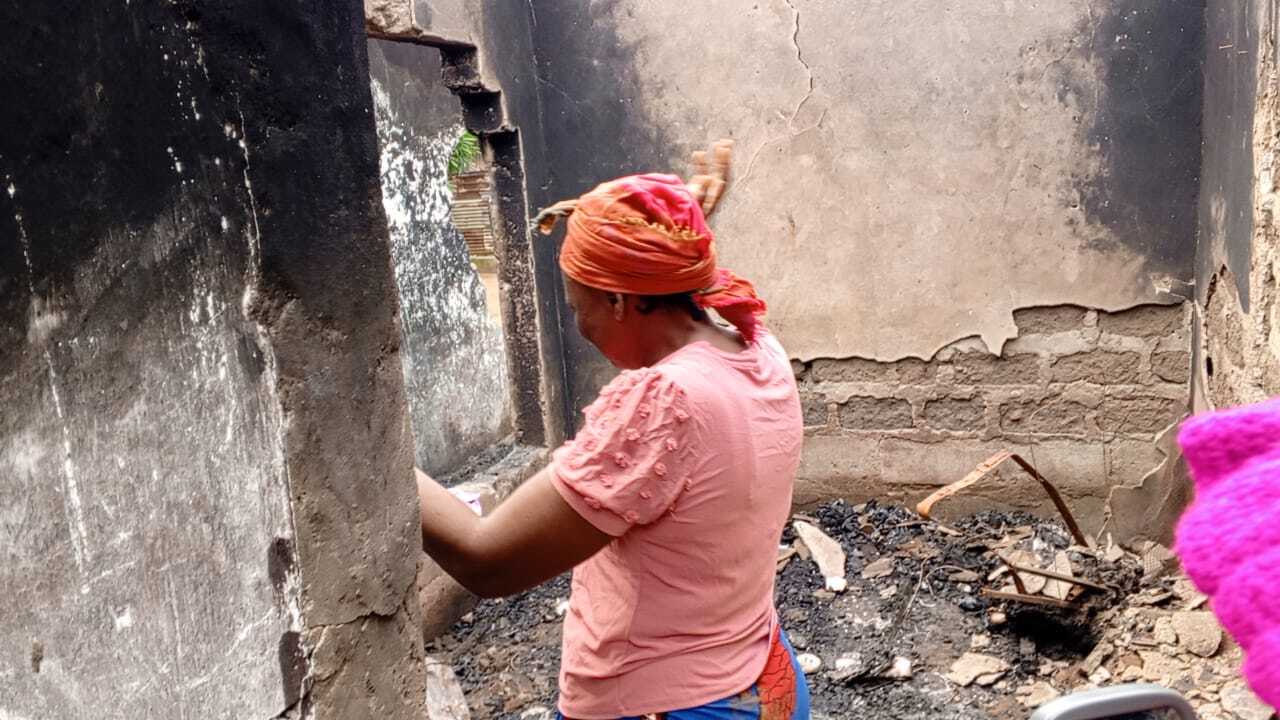
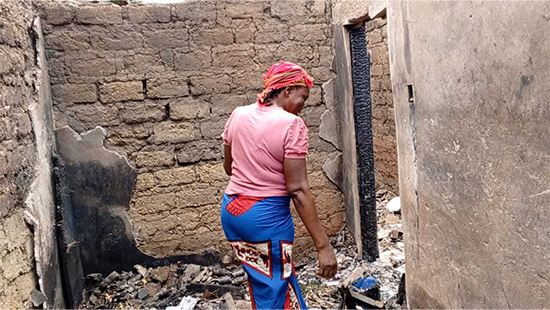
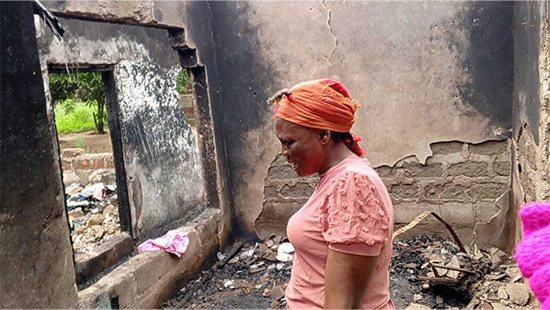
Fire Outbreak Relief Support – January 2, 2026
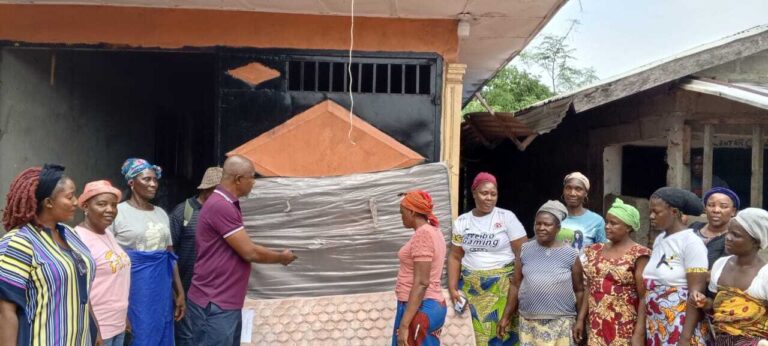
On January 2, 2026, LILF responded to a tragic fire incident by providing emergency support to Ma Satta, whose home was destroyed in the outbreak. As part of the relief effort, LILF donated mattresses to help the family begin their recovery.
The distribution was attended by key members of the LILF team, including the Resident Manager, the Director of Health, and the Director of Food Security. Ma Satta’s family, along with members of the Walker Hill community, received the support with heartfelt gratitude.
The Walker Hill Community Chairman, Okasa B. Samah, was also present and expressed sincere appreciation to LILF for their timely intervention and commitment to supporting vulnerable community members during times of crisis.